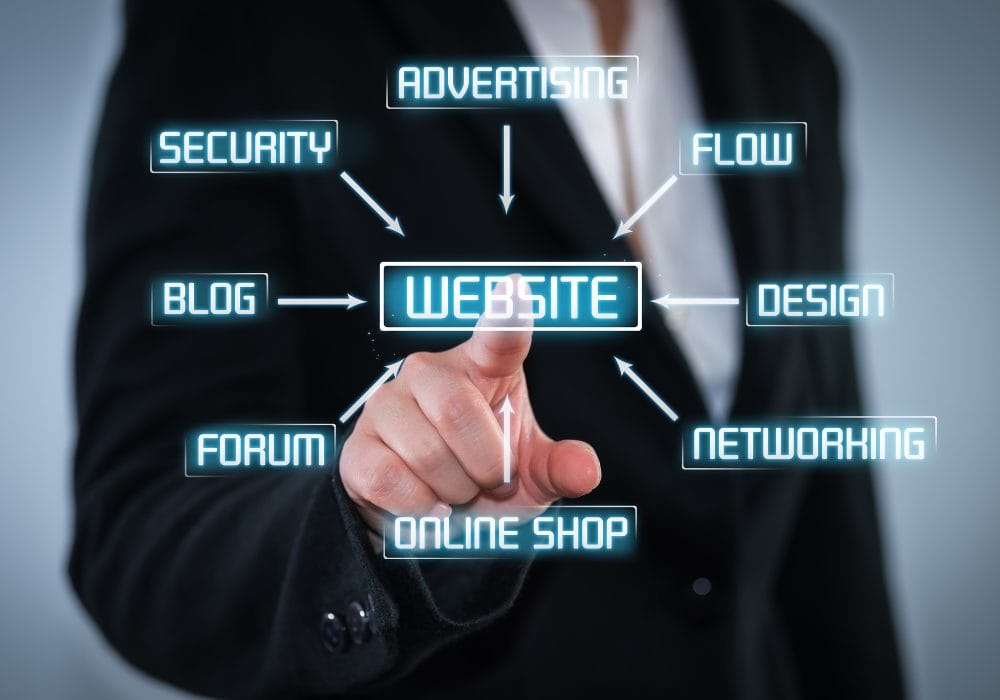
In 2026, having a website is no longer optional for businesses—it is essential. As customers increasingly rely on the internet to discover, evaluate, and engage with brands, a strong online presence has become a key factor in business success. A website acts as your digital storefront, open 24/7, helping you reach more customers and grow your brand. The Role of a Website in Modern BusinessA website serves as the central hub of your online identity. Whether you run a small local shop or a large enterprise, it provides a platform to showcase your products or services, share information, and connect with your audience. Top Reasons Why Every Business Needs a Website1. Establishes Credibility and TrustProfessional Online PresenceCustomers expect businesses to have a website. Without one, your business may appear outdated or less trustworthy. First Impressions MatterA well-designed website creates a strong first impression and builds confidence among potential customers. 2. 24/7 AccessibilityAlways Open for BusinessUnlike physical stores, a website is accessible anytime, allowing customers to explore your offerings at their convenience. Global ReachYou can attract customers from different locations without geographical limitations. 3. Cost-Effective MarketingLower Advertising CostsCompared to traditional marketing methods, maintaining a website is more affordable and offers long-term benefits. Digital Marketing IntegrationWebsites can be integrated with SEO, social media, and email marketing to increase visibility and engagement. 4. Showcases Products and ServicesDetailed InformationYou can provide comprehensive details about your offerings, including images, descriptions, and pricing. Easy UpdatesBusinesses can quickly update content, promotions, or new products without additional printing costs. 5. Improves Customer EngagementInteractive FeaturesContact forms, chat support, and feedback options allow customers to interact with your business easily. Personalized ExperienceWebsites can offer tailored content based on user behavior and preferences. 6. Boosts Sales and RevenueE-Commerce OpportunitiesBusinesses can sell products or services directly through their website, increasing revenue streams. Lead GenerationWebsites help capture leads through forms, subscriptions, and inquiries. 7. Provides Valuable InsightsAnalytics and Data TrackingYou can monitor visitor behavior, popular pages, and conversion rates. Better Decision MakingThese insights help improve marketing strategies and business operations. 8. Enhances Brand VisibilitySearch Engine PresenceA website helps your business appear in search engine results, making it easier for customers to find you. Strong Brand IdentityConsistent design, messaging, and content strengthen your brand image.
9. Competitive AdvantageStay Ahead of CompetitorsBusinesses with a professional website have a clear advantage over those without one. Adapt to Market TrendsA website allows you to quickly adapt to changing customer needs and trends. 10. Supports Business GrowthScalabilityAs your business grows, your website can expand with new features and services. Integration with ToolsWebsites can integrate with CRM systems, payment gateways, and other business tools. Common Misconceptions About Business Websites“Social Media is Enough”While social media is important, it does not replace a website. A website gives you full control over your content and branding. “Websites Are Expensive”With modern tools and platforms, creating and maintaining a website is more affordable than ever. Key Features Every Business Website Should HaveMobile-Friendly DesignEnsures a smooth experience across all devices. Fast Loading SpeedImproves user experience and search engine ranking. Clear NavigationHelps users find information easily. Secure Platform (HTTPS)Protects user data and builds trust. Future Trends in Business WebsitesAI-Powered ExperiencesPersonalized recommendations and chatbots will enhance user experience. Voice Search OptimizationWebsites will need to adapt to voice-based searches. Advanced AutomationAutomation will streamline customer interactions and backend operations. ConclusionIn 2026, a website is a powerful tool that drives credibility, visibility, and growth for businesses. It enables 24/7 accessibility, supports marketing efforts, and enhances customer engagement. Businesses that invest in a strong online presence are better positioned to succeed in an increasingly digital world. If you want to stay competitive and relevant, having a website is no longer a choice—it’s a necessity. |
Why Every Business Needs a Website in 2026

21
Apr